A previously undocumented Windows malware has infected over
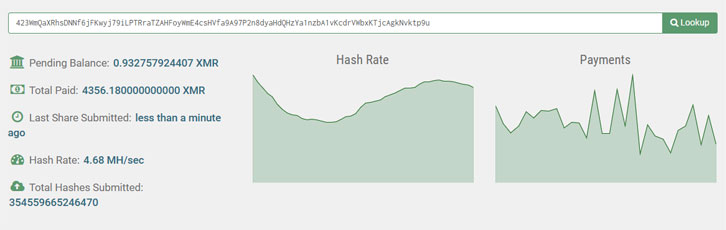
222,000 systems worldwide since at least June 2018, yielding its
developer no less than 9,000 Moneros ($2 million) in illegal
profits.
Dubbed “Crackonosh,” the malware is distributed via
illegal, cracked copies of popular software, only to disable
antivirus programs installed in the machine and install a coin
miner package called XMRig for stealthily exploiting the infected
host’s resources to mine Monero.
At least 30 different versions of the malware executable have
been discovered between Jan. 1, 2018, and Nov. 23, 2020, Czech
cybersecurity software company Avast said[1]
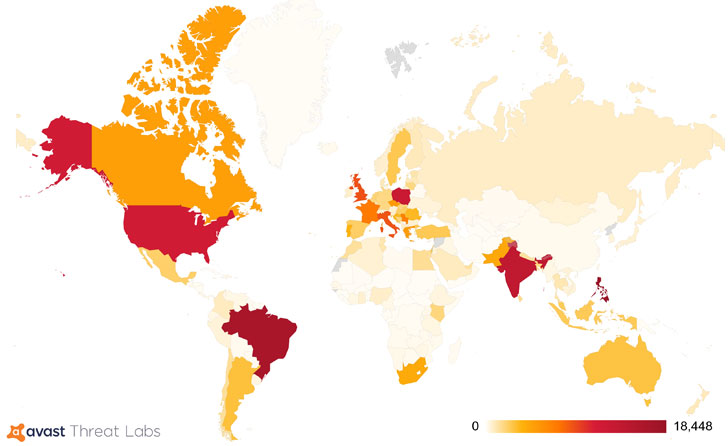
on Thursday, with a majority of the victims located in the U.S.,
Brazil, India, Poland, and the Philippines.
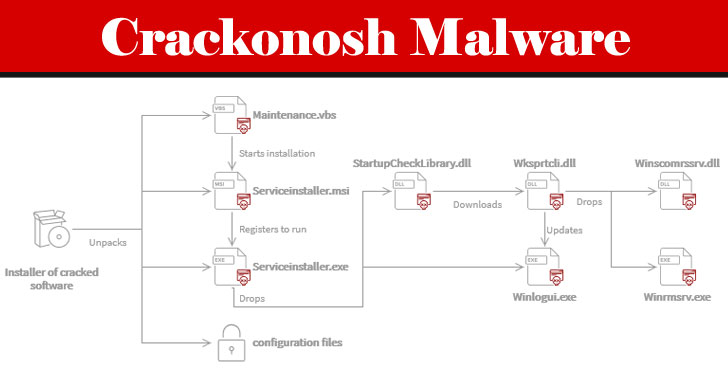
Crackonosh works by replacing critical Windows system files such
as serviceinstaller.msi and maintenance.vbs to cover its tracks and
abuses the safe mode[2], which prevents
antivirus software from working, to delete Windows Defender (and
other installed solutions) and turn off automatic updates.
As part of its anti-detection and anti-forensics tactics, the
malware also installs its own version of “MSASCuiL.exe[3]” (i.e., Windows
Defender), which puts the icon of Windows Security with a green
tick to the system tray and runs tests to determine if it’s running
in a virtual machine.
Last December, security researcher Roberto Franceschetti
disclosed[4]
that antivirus applications could be disabled by booting
into safe mode[5]
and renaming their application directories before their
corresponding services are launched in Windows.
Microsoft, however, said the issue doesn’t “meet the bar for
security servicing,” noting that the attack is predicated on having
administrative/root privileges, adding a “malicious administrator
can do much worse things.”
The development also comes as a suspected Chinese threat actor
behind DirtyMoe[6]
and Purple Fox[7]
malware were found to have compromised about 100,000 Windows
machines as part of an evolving cryptojacking campaign dating all
the way back to 2017.
“Crackonosh shows the risks in downloading cracked software,”
Avast security researcher Daniel Beneš said. “As long as people
continue to download cracked software, attacks like these will
continue and continue to be profitable for attackers. The key
take-away from this is that you really can’t get something for
nothing and when you try to steal software, odds are someone is
trying to steal from you.”
References
- ^
said
(decoded.avast.io) - ^
safe
mode (support.microsoft.com) - ^
MSASCuiL.exe
(www.pcrisk.com) - ^
disclosed
(seclists.org) - ^
disabled
by booting into safe mode (www.logsat.com) - ^
DirtyMoe
(decoded.avast.io) - ^
Purple
Fox (thehackernews.com)